Get Irrigation System Winterization
Irrigation system winterization services help property owners protect and prepare sprinkler systems by draining, insulating, and safeguarding components against freeze damage during cold months.
Property owners in the area who rely on irrigation systems understand the importance of preparing their landscapes for the colder months. Proper winterization helps prevent damage caused by freezing temperatures, which can lead to costly repairs or system failures come spring. Ensuring your irrigation system is correctly winterized is a practical step in maintaining its longevity and performance, especially for those looking to protect their investment and keep their outdoor spaces healthy year-round.
Exploring options for irrigation system winterization involves comparing local contractors who specialize in this service. Many property owners find value in consulting experienced service providers who can assess their specific needs and recommend appropriate winterization techniques. By reviewing local options, property owners can make informed decisions and select trusted professionals to handle this essential seasonal task. Keep reading to discover how local contractors can help safeguard your irrigation system during the colder months.
- Winterizing Irrigation Systems - homeowners may need this service to prevent damage during freezing temperatures.
- Sprinkler System Drainage - property owners require drainage services to protect pipes from winter ice buildup.
- Backflow Prevention for Irrigation - clients seek this work to ensure system components are protected from winter-related issues.
- Pipe Insulation and Protection - those with exposed or vulnerable pipes might look for local contractors to safeguard their irrigation infrastructure.
- System Shutdown and Activation - property managers and homeowners need assistance with properly shutting down and preparing irrigation systems for winter.
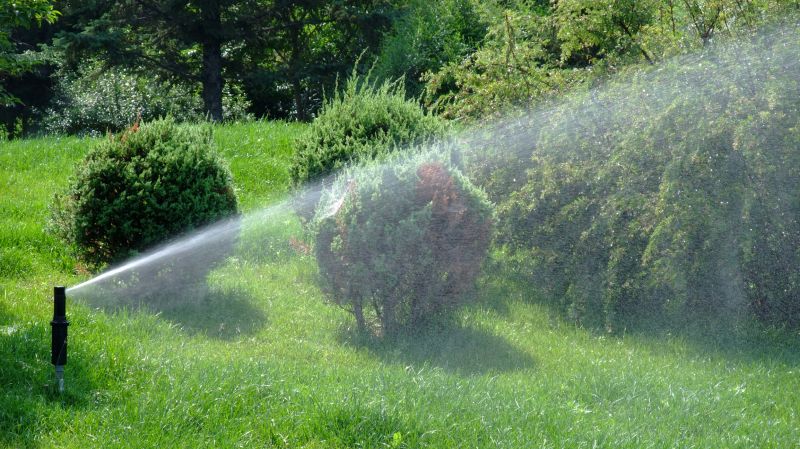
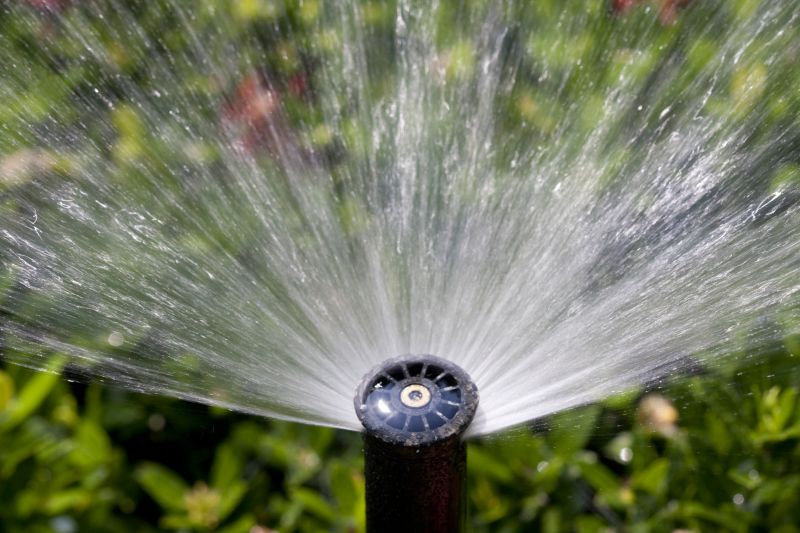
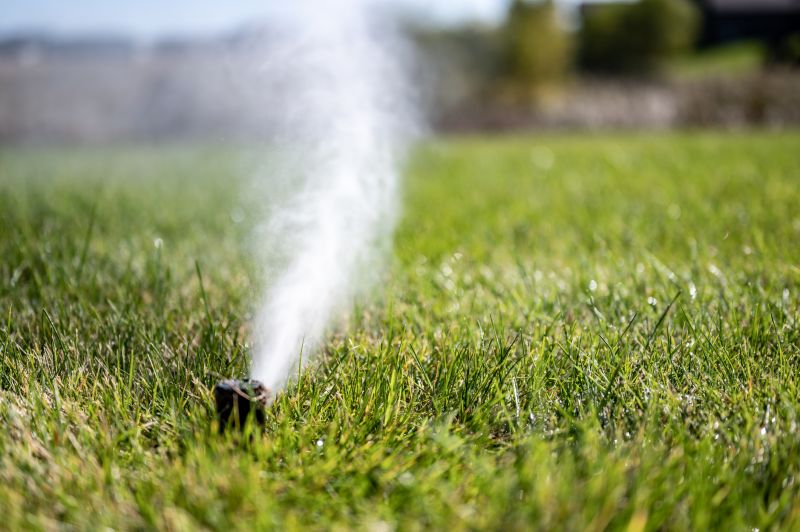
Irrigation system winterization is a crucial service that prepares sprinkler systems for cold weather, preventing damage caused by freezing temperatures. The process typically involves draining or blowing out the water from pipes, valves, and sprinkler heads to eliminate any residual moisture. Some service providers may also disconnect and store certain components to ensure they are protected throughout the winter months. This proactive approach helps homeowners avoid costly repairs caused by burst pipes or damaged equipment once the cold weather arrives.
One of the primary issues winterization addresses is the risk of freezing water expanding inside the irrigation system. When water freezes, it can cause pipes, fittings, or sprinkler heads to crack or break, leading to leaks and expensive repairs in the spring. Proper winterization ensures that all water is removed or safely stored away, reducing the likelihood of freeze-related damage. This service also helps prevent clogs and corrosion that can develop when water remains in the system during cold weather, extending the lifespan of irrigation components.
Properties that typically utilize winterization services include residential homes with in-ground sprinkler systems, commercial properties with landscaped irrigation, and community parks or golf courses with extensive watering setups. These properties often rely on irrigation systems to maintain healthy lawns and gardens, making winterization a necessary step to protect their investment. Homeowners in regions with harsh winters or those experiencing fluctuating temperatures especially benefit from professional winterization to ensure their systems are fully protected against the cold.
Local contractors offering irrigation system winterization services are equipped to handle systems of various sizes and complexities. They understand the specific needs of different property types and can recommend the most effective winterization methods. Engaging with experienced service providers ensures that the process is thorough and tailored to the system’s design, helping property owners avoid winter-related damages and ensuring a smooth start-up when spring arrives. Contacting local pros is a practical step for those looking to safeguard their irrigation investment during the colder months.
The overview below groups typical Irrigation System Winterization projects into broad ranges so you can see how smaller, mid-sized, and larger jobs often compare in your area.
In many markets, a large share of routine jobs stays in the lower and middle ranges, while only a smaller percentage of projects moves into the highest bands when the work is more complex or site conditions are harder than average.
Basic Winterization - For routine services like draining and blowing out irrigation lines, local contractors typically charge between $250 and $600. Many standard jobs fall within this range, though costs can vary based on system size and complexity.
Mid-Range Services - More comprehensive winterization, including system inspection and minor repairs, usually costs between $600 and $1,200. These projects are common for homeowners with larger or more complex irrigation setups.
Full System Shutdown - Complete winterization that involves draining, blowouts, and system shutdowns generally ranges from $1,200 to $2,500. Fewer projects reach the higher end of this spectrum, which is typical for extensive or commercial systems.
Full Replacement - Replacing parts of the irrigation system or performing extensive upgrades for winter readiness can cost $2,500 and above. Such large-scale projects are less common but may be necessary for older or heavily damaged systems.
Actual totals will depend on details like access to the work area, the scope of the project, and the materials selected, so use these as general starting points rather than exact figures.
Sprinkler System Maintenance - involves inspecting, draining, and preparing irrigation components, which shares skills with winterizing to prevent freeze damage.
Backflow Prevention Services - requires planning and system shutdown procedures similar to irrigation system winterization to protect water quality during cold months.
Drainage System Installation - entails planning and installing underground piping, a task that overlaps with winterization in managing underground water flow and protection.
Landscape Irrigation Design - involves designing efficient watering systems, which requires understanding system components similar to those in winterization projects.
Pipe Repair and Replacement - includes locating, repairing, or replacing underground pipes, a skill applicable to winterization when addressing potential freeze points.
Winter Garden Preparation - involves protecting plants and irrigation equipment, requiring planning and protective measures comparable to irrigation system winterization.
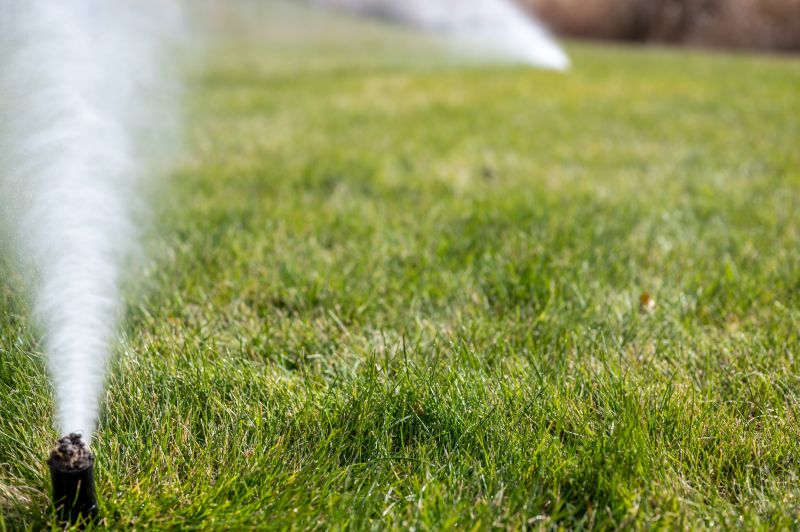
When evaluating potential service providers for irrigation system winterization, it’s important to consider their experience with similar projects. Homeowners should seek out local contractors who have a proven track record of handling irrigation winterization tasks in their area. An experienced professional will understand the unique challenges posed by local climate conditions and irrigation systems, helping to ensure the job is done effectively and thoroughly. Reviewing the types of properties they’ve serviced and the scope of their work can provide insight into their familiarity with systems comparable to the homeowner’s, reducing the risk of issues during the winter months.
Clear, written expectations are essential when selecting a service provider. Homeowners should look for local contractors who can provide detailed descriptions of the services included, such as draining lines, blowing out the system, and protecting components from freezing temperatures. Having these expectations documented helps prevent misunderstandings and ensures both parties are aligned on what the winterization process entails. It’s also beneficial to inquire about the procedures they follow and any preparations homeowners may need to make, fostering transparency and confidence in the service provider’s approach.
Reputable references and good communication are key factors when comparing local pros for irrigation winterization. Homeowners should ask for references or reviews from past clients to gauge the quality of the contractor’s work and professionalism. Additionally, effective communication-such as prompt responses to questions and willingness to explain the process-can make the experience smoother. While the site introduces homeowners to local options, it’s important to remember that it does not perform the work itself. Instead, the goal is to connect homeowners with qualified service providers who can meet these important criteria and deliver reliable, clear service for winterizing irrigation systems.
Property owners use Irrigation System Winterization services for practical projects around their homes and businesses. This guide focuses on everyday jobs and straightforward project options.
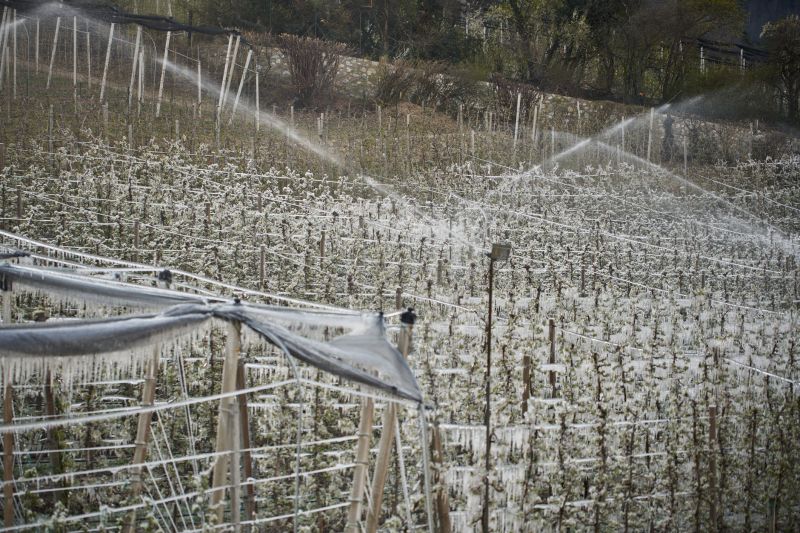
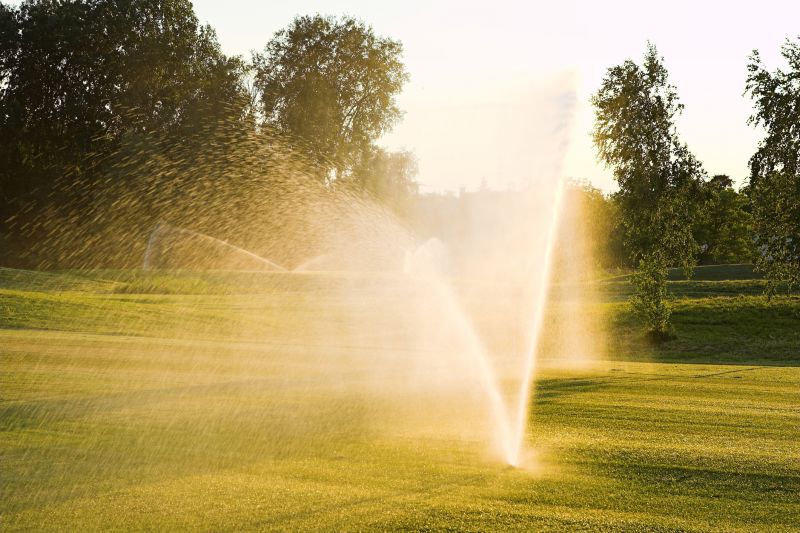
Property owners in the area often seek irrigation system winterization services to prevent damage during the colder months. When temperatures drop, water left in sprinkler lines can freeze and cause cracks or breaks, leading to costly repairs in the spring. Local contractors can help by draining and insulating the system to ensure it remains in good condition throughout winter, saving homeowners time and money on potential repairs.
Additionally, many property owners look for winterization services to avoid system malfunctions when they are ready to resume watering in the warmer months. Proper winterization can prevent issues such as clogged valves or damaged components that might disrupt the system’s performance later on. Local service providers are available to handle these preparations efficiently, helping homeowners protect their investment and ensure their irrigation systems are ready for the seasons ahead.
Why is winterizing my irrigation system important? Winterizing helps prevent damage caused by freezing temperatures, such as burst pipes and broken valves, ensuring the system remains functional for the next season.
What services are included in irrigation system winterization? Local contractors typically drain and blow out water from the system, disconnect hoses, and may add antifreeze to protect components during winter.
When should I schedule irrigation system winterization? It’s recommended to have the service performed before the first hard freeze to ensure protection throughout the winter months.
Can I winterize my irrigation system myself? While some homeowners may attempt DIY winterization, professional service providers have the tools and expertise to ensure thorough protection and prevent potential damage.
How do I find local contractors for irrigation system winterization? This website can help connect with experienced local service providers who specialize in winterization services for irrigation systems.
Prepare your irrigation system for winter by having local contractors drain and disconnect hoses to prevent damage from freezing temperatures.
Protect your sprinkler components by scheduling professional winterization to ensure valves and pipes are properly insulated or shut down.
Prevent costly repairs in spring by having local service providers remove or blow out water from the system before cold weather arrives.
Ensure your landscape stays healthy by coordinating with local pros to properly winterize your irrigation system and avoid freeze-related issues.
If you are thinking about Irrigation System Winterization for a property, this guide is meant to help you understand the work, the typical project types, and how different options might fit your plans.
When you are ready, you can use the quote form on this page to share a few details about your project. From there, local pros can review the basics and respond with options that match what you have in mind.